Carotenoid guide
Meso-Zeaxanthin: How It Differs From Zeaxanthin, and What Zeaxan Contains
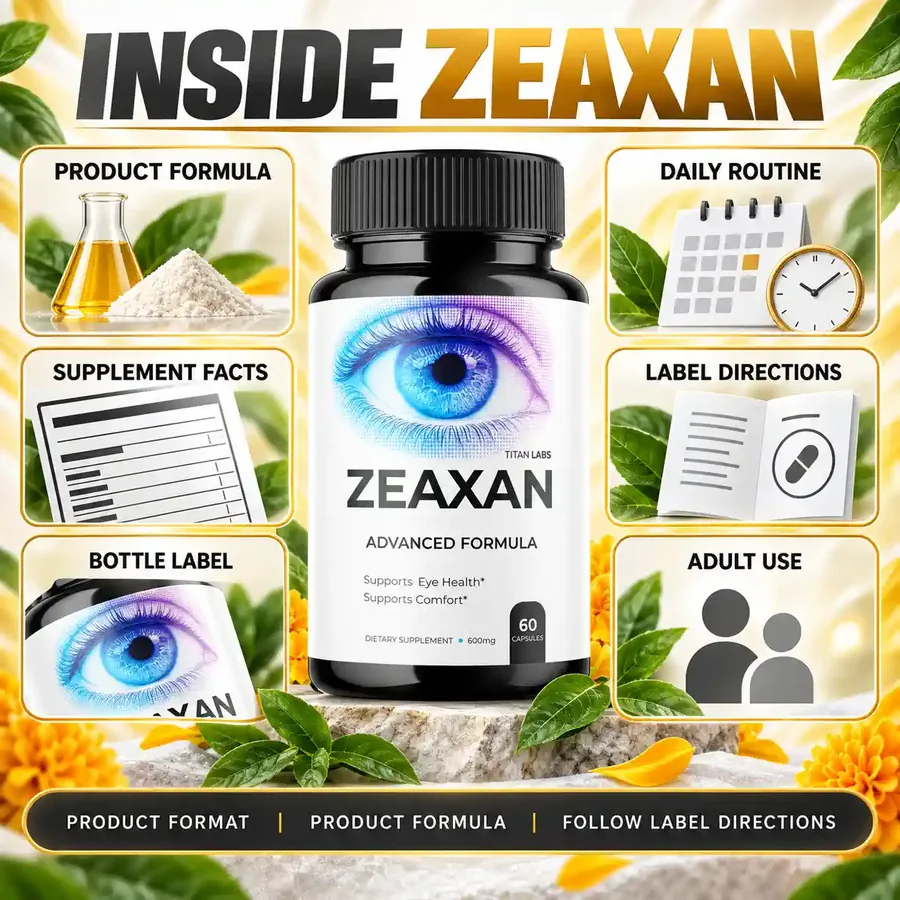
Meso-zeaxanthin is a close chemical form of zeaxanthin. It sits at the very center of the macula together with lutein and zeaxanthin, and researchers think the eye makes much of it from lutein. It is rare in everyday foods. The Zeaxan label lists lutein and zeaxanthin in its 600 mg blend, not meso-zeaxanthin.
What is meso-zeaxanthin?
Meso-zeaxanthin is a carotenoid, from the same family of yellow plant pigments as lutein and zeaxanthin. Chemists call it a stereoisomer of zeaxanthin. That means it has the same atoms as zeaxanthin, arranged in a slightly different shape in space, a bit like a left and a right glove.
In the eye, meso-zeaxanthin is part of macular pigment, the yellow layer at the center of the retina. Lutein and zeaxanthin make up the rest of that layer. Together these pigments filter some blue light and act as antioxidants, which is why researchers study them. Our guide to what zeaxanthin does for the eyes explains the macula in more detail.
The spelling trips people up. You will see meso-zeaxanthin with or without the hyphen, and sometimes as mesozeaxanthin. Zeaxanthin ends in -thin. Zeaxan, the capsule, ends in -xan.
How does meso-zeaxanthin differ from zeaxanthin?
The two share a name and a chemical formula, but they differ in shape, in where they collect and in where they come from. The table puts the main points side by side.
| Point | Zeaxanthin | Meso-zeaxanthin |
|---|---|---|
| What it is | A yellow carotenoid from plants | A stereoisomer of zeaxanthin |
| Where it sits in the eye | The macula, as part of macular pigment | The very center of the macula |
| Main source | Corn, orange peppers, leafy greens and egg yolks | Mostly formed in the eye from lutein; rare in common foods |
| AREDS2 formula | Used at 2 mg a day, with 10 mg of lutein | Not part of the AREDS2 formula |
| On the Zeaxan label | Listed tenth of 11 as Zeaxanthin (5%) | Not listed |
The AREDS2 amounts come from the National Eye Institute, which studied the formula in people who already had intermediate age-related macular degeneration. Meso-zeaxanthin was not part of that recipe.
Where does meso-zeaxanthin come from?
Mostly from your own eyes. Researchers believe the retina turns some lutein into meso-zeaxanthin, which helps explain why it gathers at the very center of the macula while common foods carry little of it. It is not a usual part of most diets.
Some eye supplements list it by name on their labels, so check the panel if you want to know whether a product has it.
For most people the practical step is simple: eat lutein and zeaxanthin foods. Dark leafy greens, corn, orange peppers and egg yolks are the everyday sources. Both pigments dissolve in fat, so a little oil or egg yolk with greens helps. Our post on getting zeaxanthin from food lists easy meals.
Does meso-zeaxanthin have side effects?
Meso-zeaxanthin is usually sold together with lutein and zeaxanthin, so the label of each product is the place to look for its own cautions and amounts.
Our own source list does not cover meso-zeaxanthin, so we give no dose for it and make no claim about it. If you take any eye supplement and notice something unusual, stop and ask your doctor or pharmacist.
For Zeaxan, the side effects to know come from its 11 listed ingredients. Most are mild, such as stomach upset or headache. Ginkgo may add to blood thinners (NCCIH), cinnamon may add to diabetes medicines, and green tea extract can affect some heart and cholesterol medicines. The side effects page goes through each ingredient.
Does Zeaxan contain meso-zeaxanthin?
No. The Zeaxan label lists Lutein (5%) fifth and Zeaxanthin (5%) tenth in a 600 mg proprietary blend per 2-capsule serving. Meso-zeaxanthin is not named anywhere on the bottle. The Supplement Facts page shows the full panel.
The label prints no single amounts. If the 5% marks mean pigment content, a serving holds at most about 6 mg of lutein and 3 mg of zeaxanthin. Our lutein and zeaxanthin explainer works through that math step by step.
Lutein is the raw material researchers link to meso-zeaxanthin in the eye, and Zeaxan does list lutein. That describes the biology. It is not a promise about what a capsule does. Zeaxan is taken as 2 capsules a day between meals, each bottle holds 60 capsules, and orders come with a 60-day money-back guarantee. Prices are shown at checkout on the pricing page.
Should you look for a meso-zeaxanthin supplement?
That is a good question for your eye doctor. The formula with the strongest research, AREDS2, used lutein and zeaxanthin in people with intermediate AMD and did not include meso-zeaxanthin. If your doctor suggested AREDS2, look for a label that prints each amount.
For a general daily routine, food comes first, and a simple supplement can be an extra if you like the habit. Take the label of any product you are thinking about to your next visit. Any sudden change in your vision, such as flashes, new floaters or a shadow over part of your view, needs an eye exam promptly rather than a new supplement.
Questions people ask about meso-zeaxanthin
Is meso-zeaxanthin the same as zeaxanthin?
No. Meso-zeaxanthin is a stereoisomer of zeaxanthin: the same atoms in a slightly different shape. Both sit in the macula with lutein, and the meso form gathers at the very center.
Does Zeaxan have meso-zeaxanthin?
No. The Zeaxan label lists lutein and zeaxanthin in its 600 mg blend, but not meso-zeaxanthin. No amounts are printed for any of the 11 ingredients.
What foods have meso-zeaxanthin?
It is rare in common foods. Researchers think the eye makes much of it from lutein, so lutein foods such as dark leafy greens and egg yolks are the practical step.
Keep reading
Read the label first
See the Zeaxan facts before you decide
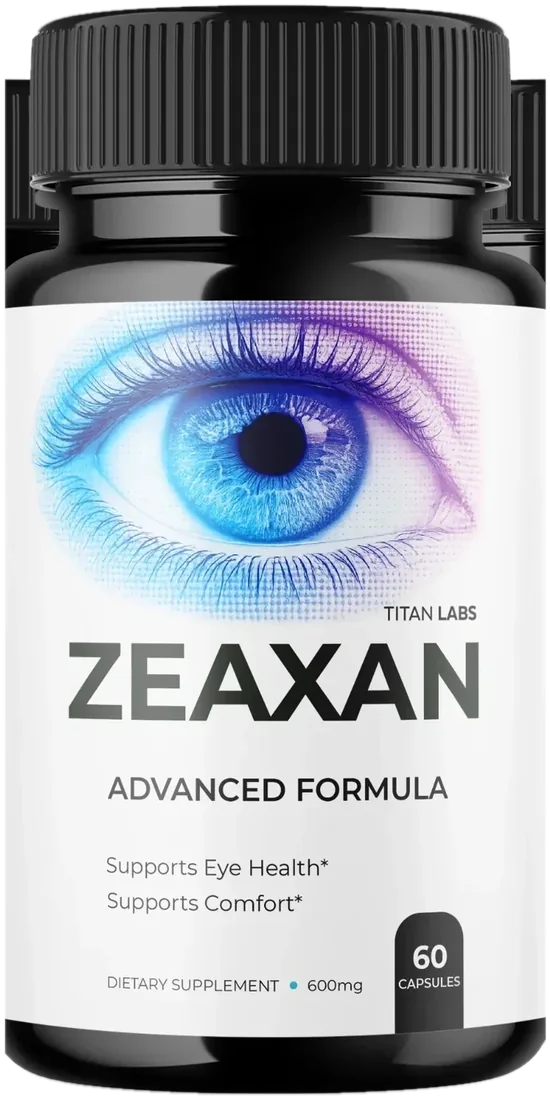
One bottle holds 60 capsules. The label directs two capsules daily between meals. Read the facts and safety information before you use any supplement.