Supplement or drug
Is Zeaxan a Medication? Supplement vs Drug, Explained
No. Zeaxan is a dietary supplement, not a medication, so it has no drug class and needs no prescription. Its label lists a 600 mg blend of 11 ingredients, including lutein and zeaxanthin, taken as 2 capsules a day. It contains no drug ingredient, but some of its herbs matter if you take blood thinners, diabetes medicines or some heart and cholesterol medicines.
Is Zeaxan a drug or a supplement?
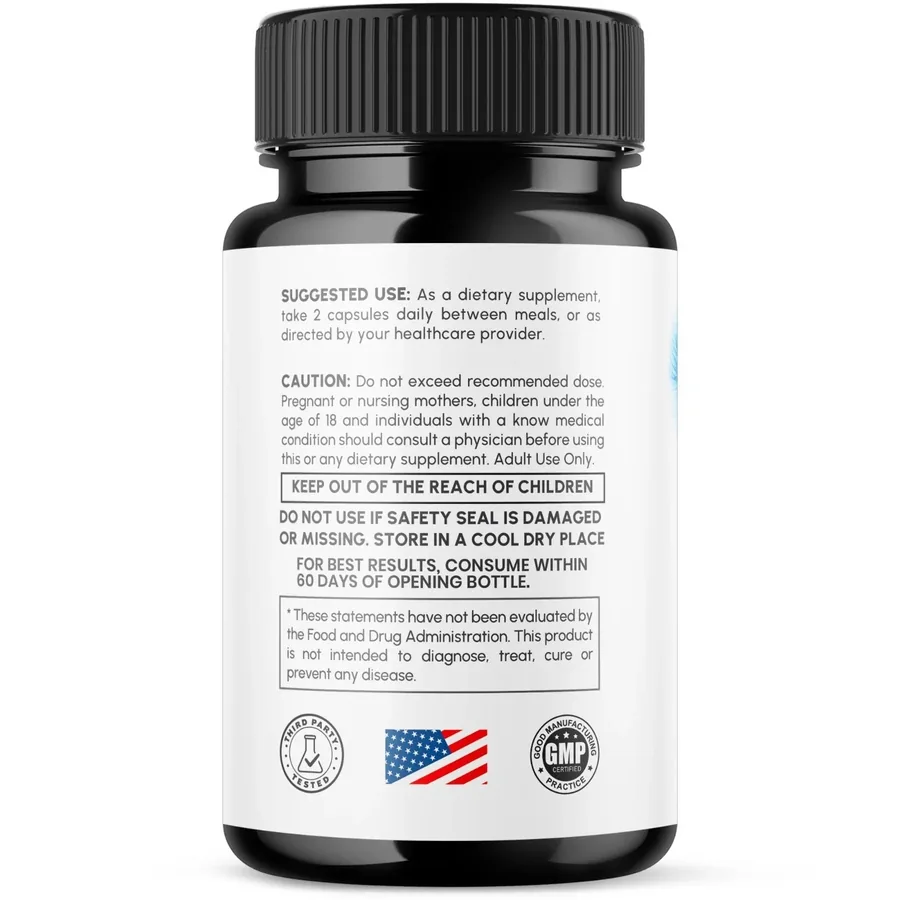
Zeaxan is a dietary supplement. The bottle carries a Supplement Facts panel, not a Drug Facts panel, and the label's directions begin "as a dietary supplement." You can buy it without a prescription.
In the U.S., supplements and medicines follow different rules. A new medicine has to be reviewed by the FDA before it is sold. A supplement does not go through that review; the company behind it is responsible for its safety and its label. That is why the Zeaxan label carries the standard FDA statement that its claims have not been evaluated. Our post on whether Zeaxan is legit covers this in more detail.
The front label says "Supports Eye Health" and "Supports Comfort." That is supplement wording about the body's normal function. It describes everyday support, and it is not a medical claim about any eye condition.
What drug class is Zeaxan in?
None. Drug classes group medicines by how they act, such as blood thinners or blood pressure medicines. Zeaxan is not a medicine, so it has no drug class. The closest plain description is an eye-health supplement with carotenoids, herbs and B vitamins.
| Type | Ingredients on the label |
|---|---|
| Carotenoids | Lutein (5%), Zeaxanthin (5%) |
| Herbs and plant extracts | Cinnamon Extract, Bacopa Monnieri (20%), Bilberry Leaf Powder, Gingko Biloba Powder, Green Tea Extract (50%) |
| Vitamins | Vitamin B6 (as pyridoxine), Vitamin B12 (as cyanocobalamin 1%) |
| Other blend ingredients | Himalayan Pink Salt, AGP Choline |
| Inactive ingredients | Rice Flour, Magnesium Stearate, Silica Dioxide |
All 11 active ingredients share one 600 mg proprietary blend per 2-capsule serving. The label lists them from most to least by weight, but it does not print the amount of each. The ingredients guide explains each one.
Is there a drug in Zeaxan?
No. Every line on the label is a nutrient, a herb or a mineral salt. None is a prescription or over-the-counter medicine. The full panel is on the Supplement Facts page.
People often search this after reading the long ingredient list. It helps to know that Himalayan pink salt is listed first, which makes it the largest single part by weight, while zeaxanthin is tenth. Our post on why salt is listed first explains the order.
No drug ingredient does not mean no effects. Herbs can still act in the body, and a few of Zeaxan's herbs can matter alongside certain medicines. The next section covers those.
Which medicines should you check before taking Zeaxan?
Three ingredients and one vitamin are worth a quick check with your doctor or pharmacist.
- Blood thinners: ginkgo may add to their effect and raise bleeding risk. It also matters before surgery (NCCIH, ginkgo).
- Diabetes medicines: cinnamon may add to medicines that lower blood sugar (NCCIH, cinnamon).
- Some heart and cholesterol medicines: green tea extract can lower blood levels of certain ones, so they may work less well (NCCIH, green tea).
- Other B6 sources: count vitamin B6 from every product you take. The adult upper limit is 100 mg a day, and Zeaxan does not print its amount (NIH ODS, vitamin B6).
The easiest step is to bring the bottle to your pharmacist. They can check the full ingredient list against your medicines in a few minutes. Our post on Zeaxan with blood thinners and other medicines and the side effects page have more detail.
Who should ask a doctor before taking Zeaxan?
The label caution names the main groups. People who are pregnant or nursing, anyone under 18 and anyone with a known medical condition should consult a physician before use. The label also says "Adult Use Only" and "Do not exceed recommended dose."
Add anyone with current or past liver problems, because of the green tea extract, and anyone with surgery coming up, because of the ginkgo. If none of these fit you, the next step is simple: follow the label dose.
Eye symptoms are a separate matter. Blurry vision, eye pain, flashes of light or new floaters need an eye exam promptly, not a supplement.
How do you take Zeaxan as a daily supplement?
The label says to take 2 capsules daily between meals. One brand panel says after a meal, but the label is the document to follow. Each bottle holds 60 capsules, which is 30 days, and the label asks you to finish an opened bottle within 60 days. The how to use guide has a simple routine.
Zeaxan comes in packs of 1, 3 or 6 bottles, and the price is shown at checkout. Orders carry a 60-day money-back guarantee, explained on the guarantee page. If you have a question about an order, the order desk can help with your order ID.
Questions people ask about Zeaxan and medicines
Is Zeaxan a prescription medication?
No. Zeaxan is a dietary supplement sold without a prescription. It has a Supplement Facts panel, not a Drug Facts panel, and its label directs 2 capsules daily between meals.
What drug class is Zeaxan?
It has none, because it is not a drug. It is an eye-health supplement with carotenoids, herbs, B vitamins and a mineral salt in one 600 mg blend.
Can I take Zeaxan with my medicines?
Ask your doctor or pharmacist first. Ginkgo may add to blood thinners, cinnamon may add to diabetes medicines, and green tea extract can lower levels of some heart and cholesterol medicines.
Keep reading
Read the label first
See the Zeaxan facts before you decide
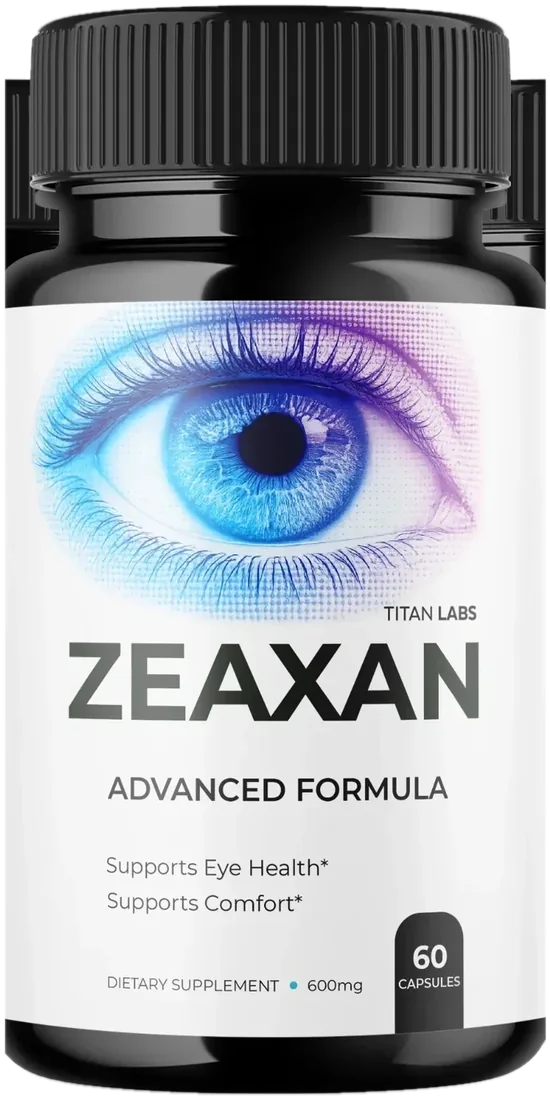
One bottle holds 60 capsules. The label directs two capsules daily between meals. Read the facts and safety information before you use any supplement.