Carotenoid comparison
Zeaxanthin vs Astaxanthin: Two Carotenoids, Two Different Jobs
Zeaxanthin and astaxanthin are both carotenoids, but they are not the same. Zeaxanthin is a yellow plant pigment that collects in the macula of the eye with lutein, and it was part of the AREDS2 eye formula. Astaxanthin is a red-orange pigment made by algae that gives salmon and shrimp their color. Zeaxan contains zeaxanthin, not astaxanthin.
What is the difference between zeaxanthin and astaxanthin?
The names sound alike because both end in -xanthin, the sign of a group of carotenoids called xanthophylls. After that, they part ways. They have different colors, come from different foods, and end up in different places in the body.
| Point | Zeaxanthin | Astaxanthin |
|---|---|---|
| Color | Yellow | Red-orange |
| Main sources | Leafy greens, corn, orange peppers, egg yolks | Microalgae, and seafood such as salmon, shrimp and krill |
| Place in the eye | Collects in the macula as macular pigment | Not a macular pigment |
| Turned into vitamin A? | No | No |
| Eye research | Part of the AREDS2 formula, 2 mg a day with 10 mg lutein | Smaller, earlier studies; not part of AREDS2 |
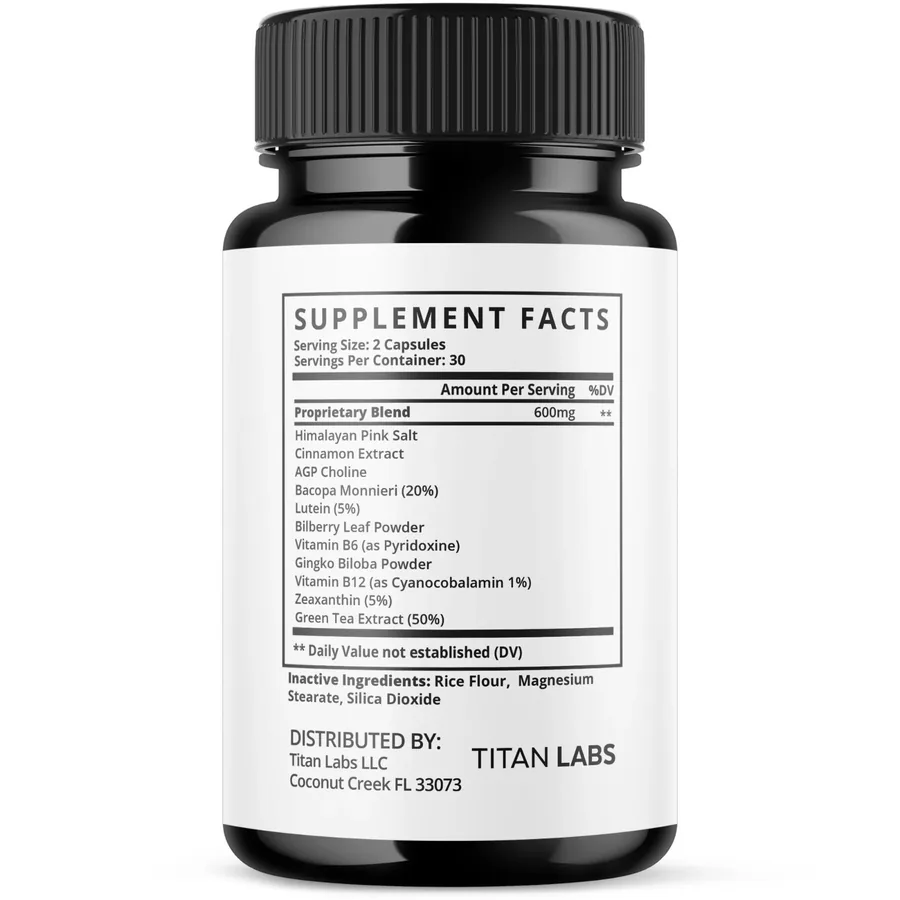
| On the Zeaxan label | Listed tenth of 11 | Not listed |
In short, zeaxanthin is an eye pigment you eat with greens and corn. Astaxanthin is the pink-red color of seafood. If you are reading a supplement label, check which name is printed, since the two are easy to mix up in a quick search.
What is zeaxanthin?
Zeaxanthin is a yellow carotenoid made by plants. Your body cannot make it, so it comes from food or supplements. It collects in the macula, the small center of the retina used for reading and seeing faces, where it forms macular pigment with lutein.
It has the larger body of eye research. The National Eye Institute used 2 mg of zeaxanthin a day with 10 mg of lutein in the AREDS2 formula, studied in people who already had intermediate AMD. The NEI also says the earlier AREDS formula showed no benefit for people without AMD or with early AMD. Read more in what zeaxanthin does for your eyes.
What is astaxanthin?
Astaxanthin is a red-orange carotenoid made by certain microalgae. Shrimp, krill and salmon take it in through the food chain, and it gives their flesh and shells their pink-red color. Astaxanthin supplements are usually made from algae.
Astaxanthin has been looked at in smaller studies, mostly for things like tired eyes after screen work and for skin. That research is early, and it is not on the scale of large eye studies such as AREDS2. Our own source list does not cover astaxanthin, so we make no claims about what it does and give no dose for it.
One plain fact is useful, though: astaxanthin and zeaxanthin are separate compounds. A label that lists one does not contain the other unless it says so.
The color tells a quick story too. Zeaxanthin is the yellow you see in corn and in a bright egg yolk. Astaxanthin is the pink you see in cooked shrimp and in salmon. Both are natural pigments, both dissolve in fat rather than water, and both are sold as supplements, but they are made by different living things and are used for different reasons.
Zeaxanthin or astaxanthin: which is better for your eyes?
For an eye-health routine, zeaxanthin has the clearer link. It is part of the eye's own central pigment, and it sits in a well-known NEI formula. Astaxanthin is not a macular pigment and was not part of AREDS2.
"Better" still depends on your goal and your eyes. If your eye doctor has found intermediate AMD, the AREDS2 formula with printed amounts is the one to ask about. If you simply want a steady daily habit, food comes first: greens and corn for zeaxanthin, and seafood if you enjoy it. The NIH Office of Dietary Supplements says supplements can help fill gaps but cannot replace a healthy diet.
Can you take zeaxanthin and astaxanthin together?
Food combines them all the time. A salmon dinner with a side of spinach brings both pigments to one plate. With supplements, it is wise to add up everything you take and show the labels to a pharmacist.
Our sources do not cover combining Zeaxan with an astaxanthin product, so ask first. Zeaxan also lists ginkgo, cinnamon and green tea extract, which matter if you take blood thinners, diabetes medicines or some heart and cholesterol medicines (NCCIH). Our post on Zeaxan with blood thinners and other medicines covers those checks.
Where does Zeaxan fit?
Zeaxan is a zeaxanthin and lutein product, not an astaxanthin product. Its label lists a 600 mg proprietary blend of 11 ingredients per 2-capsule serving, with lutein fifth and zeaxanthin tenth, and 30 servings in each bottle. No single amounts are printed. See the Supplement Facts page and the full ingredients guide.
The label says to take 2 capsules daily between meals. Zeaxan comes in packs of 1, 3 or 6 bottles, the price is shown at checkout, and orders carry a 60-day money-back guarantee. The pricing page shows how to work out the cost per day.
Questions people ask about zeaxanthin vs astaxanthin
Is zeaxanthin the same as astaxanthin?
No. Both are carotenoids with similar names, but zeaxanthin is a yellow plant pigment that collects in the macula, while astaxanthin is a red-orange pigment made by algae and found in seafood such as salmon and shrimp.
Does Zeaxan contain astaxanthin?
No. The Zeaxan label lists zeaxanthin and lutein inside a 600 mg blend of 11 ingredients. Astaxanthin is not on the label.
Which has more eye research, zeaxanthin or astaxanthin?
Zeaxanthin. It was part of the AREDS2 formula, used at 2 mg a day with 10 mg of lutein in people with intermediate AMD. Astaxanthin research is smaller and earlier.
Keep reading
Read the label first
See the Zeaxan facts before you decide
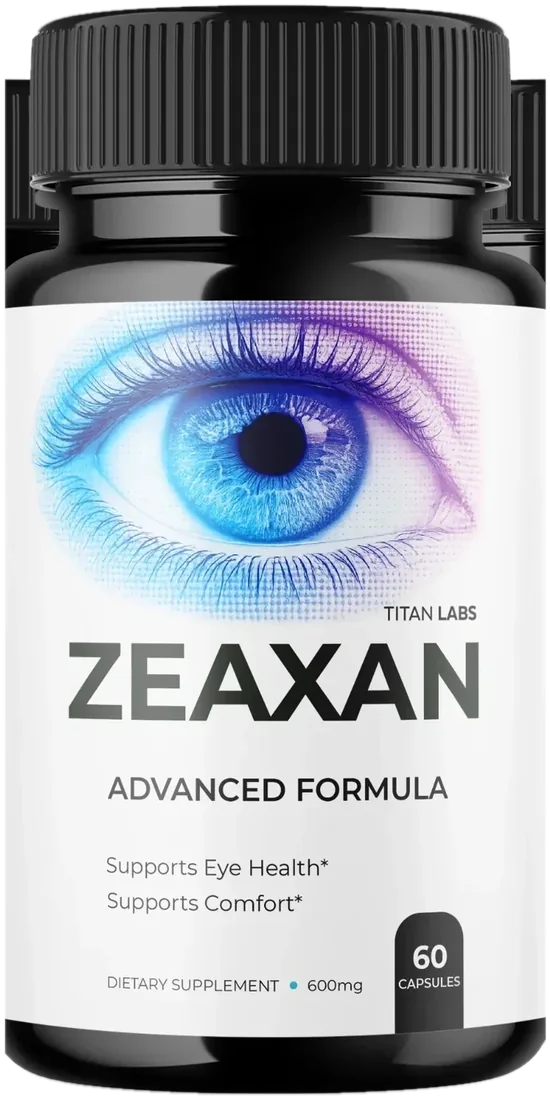
One bottle holds 60 capsules. The label directs two capsules daily between meals. Read the facts and safety information before you use any supplement.